
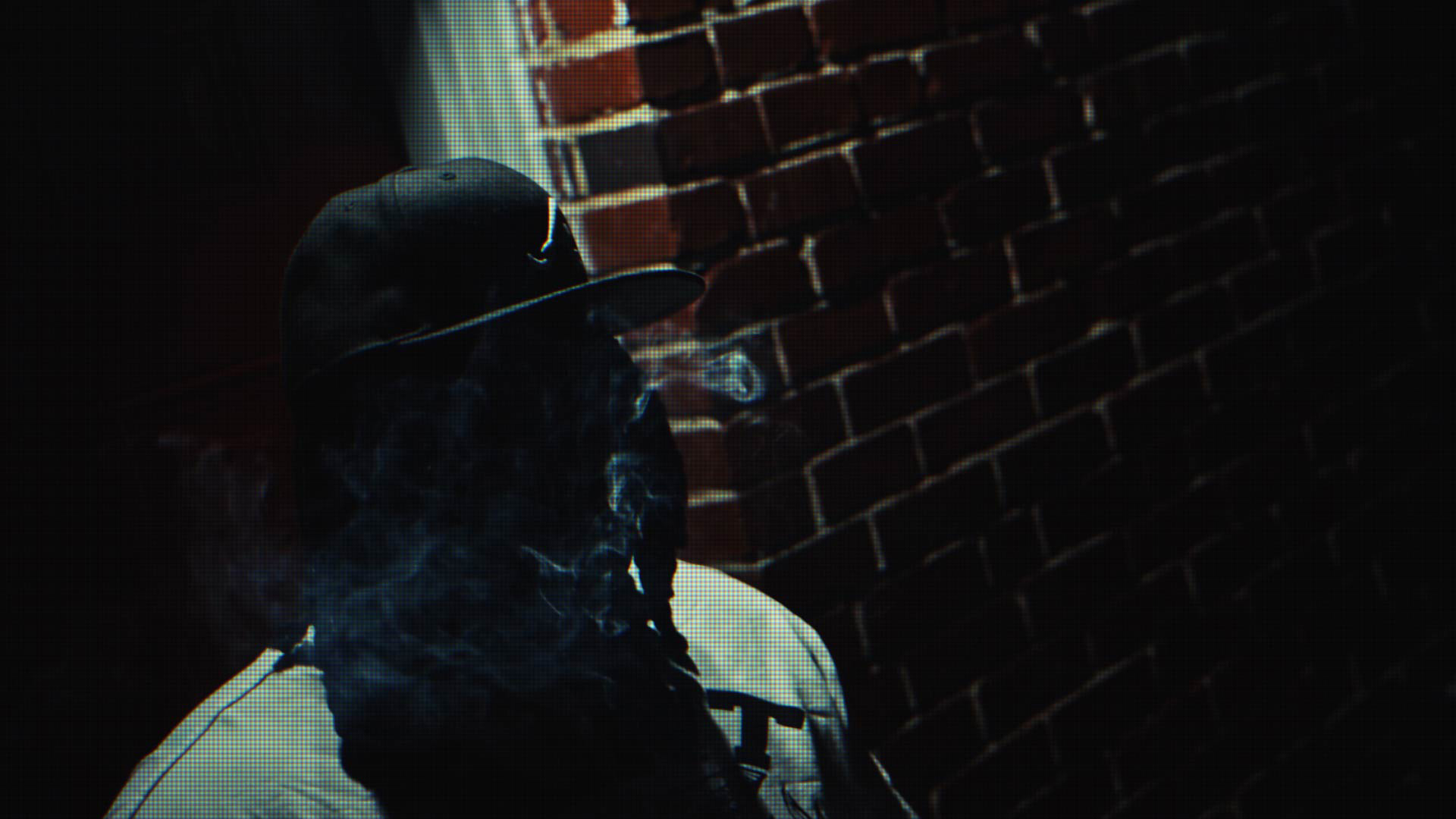
Most of the artists I worked with early on didn't have big budgets. That's exactly where my style came from. A cheap music video isn't a weaker video. It just forces you to make the right decisions.
And almost all of those decisions happen before the shoot. Where the money goes says more about the look than the amount itself.
Concept over gear
The most expensive gear won't save a missing idea. A clear concept carries even the simplest setup. Before a camera rolls, the question for me is: what should stick? One image nobody forgets is worth more than ten random ones.
Dare to leave things out. A video that does one thing right feels bigger than one that half-heartedly tries five.
What a cheap music video costs
Nobody who doesn't know your project can give you a fixed number. The price hangs on the shooting days, the number of locations, the size of the team on set and how much happens in post. That's why I quote every project on its own instead of selling packages.
Whatever cheap means for you, say it at the start. Then we plan from the beginning so the money lands where you can see it later. How a price is actually put together is in What does a music video cost.
The look comes from post
This is the biggest lever nobody sees. Dark images, cinematic contrast, blur, grain and little color, used on purpose. That doesn't cost budget, it costs experience. A good color grade turns flat footage into something that looks label-level. That's why I do editing, VFX and grade myself. The look isn't an afterthought, it's part of the idea.
Fewer locations, more focus
One well-chosen location, lit consistently and shot from the right angles, hits harder than three half-baked sets. Holding back is a stylistic choice, not a shortcoming.
Cheap is not the same as looking cheap
A video doesn't look cheap because there was little money. It looks cheap because too little was made of it. Flat ceiling light, a location that tells you nothing, an edit without timing. None of that costs extra and it still ruins the whole impression.
The other way round, a cheap music video can look label-level when light, framing and grade are right. What else is behind it is in Why your music video looks cheap.
The right people, not the most people
When a project needs more, I bring in someone on purpose. A colorist, a VFX artist, a DoP. Not a big team because it looks like something, but exactly the one person who moves your video forward. That keeps the budget where it works.
What goes into a music video production is on the service page.
Getting a cheap music video to label level isn't a trick. It's a few clear decisions, carried through. If you want to approach your next project like that, let's talk.