
A few weeks ago I left a comment under a YouTube video. Just a small tip, really: if you want to learn filmmaking, download a rule of thirds grid as a Chrome extension and use it to watch videos from your favorite YouTubers. I built one of those extensions myself.
Three weeks later the creator replied that the rule of thirds is just one method of many. Fair enough. Still, my first thought was: what does he want from me? It was just a tip.
The video is called Can Composition Be Taught? Or Is It Instinct? and it's by Seigher Brown. It's about how cinematographers like Roger Deakins decide where the camera goes, and whether that's something you can learn at all.
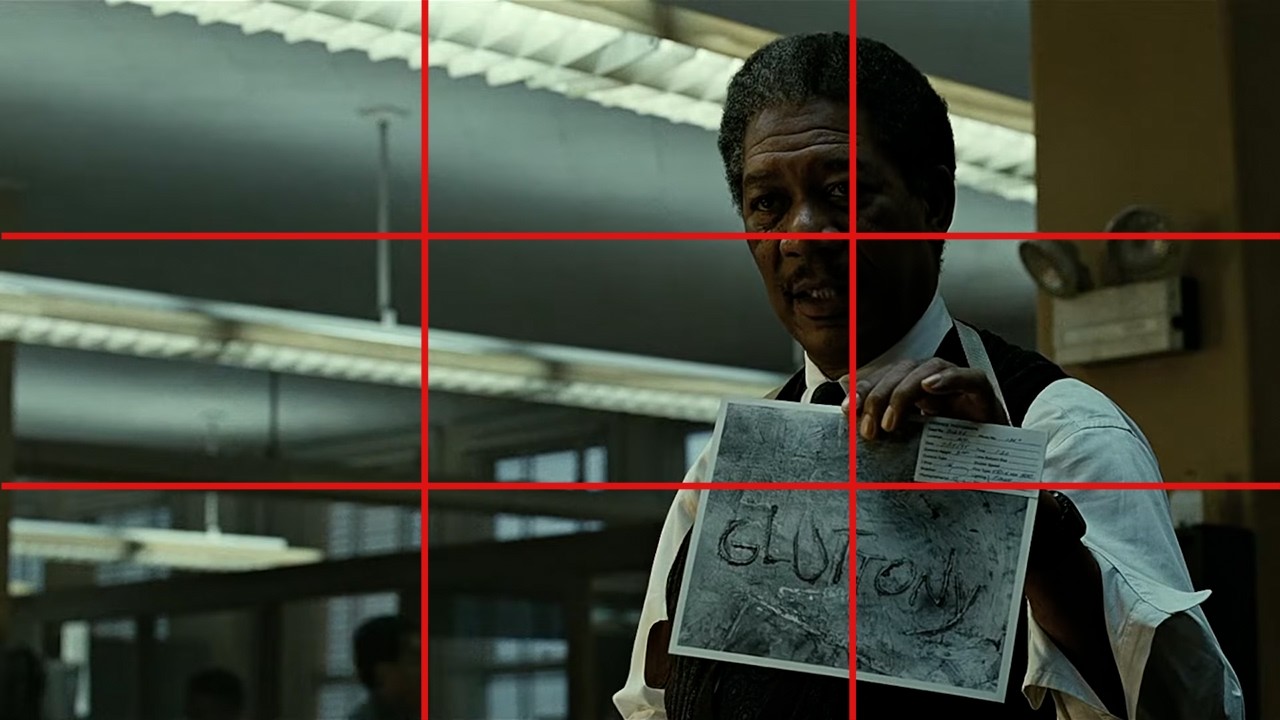
We went back and forth a bit after that. He thought it was wrong to teach people only one method. But that's not what I meant. I just think that if you're a beginner and don't even know what composition is yet, there's no point in learning everything at once. You start with one thing, and at some point the next one comes along.
I really liked his answer to that. He said it can work, but you should also look at images without a grid to find out what you respond to yourself. That's when I noticed we had just played out the exact topic of his video. He sees it one way, I see it another, and somehow both are true.
Everyone comes from somewhere else
I've been thinking about that ever since. Even when you were born makes a difference. A single day or one decision can change so much about who you become, how you learn and how you look at things. And all of that ends up in the frame.
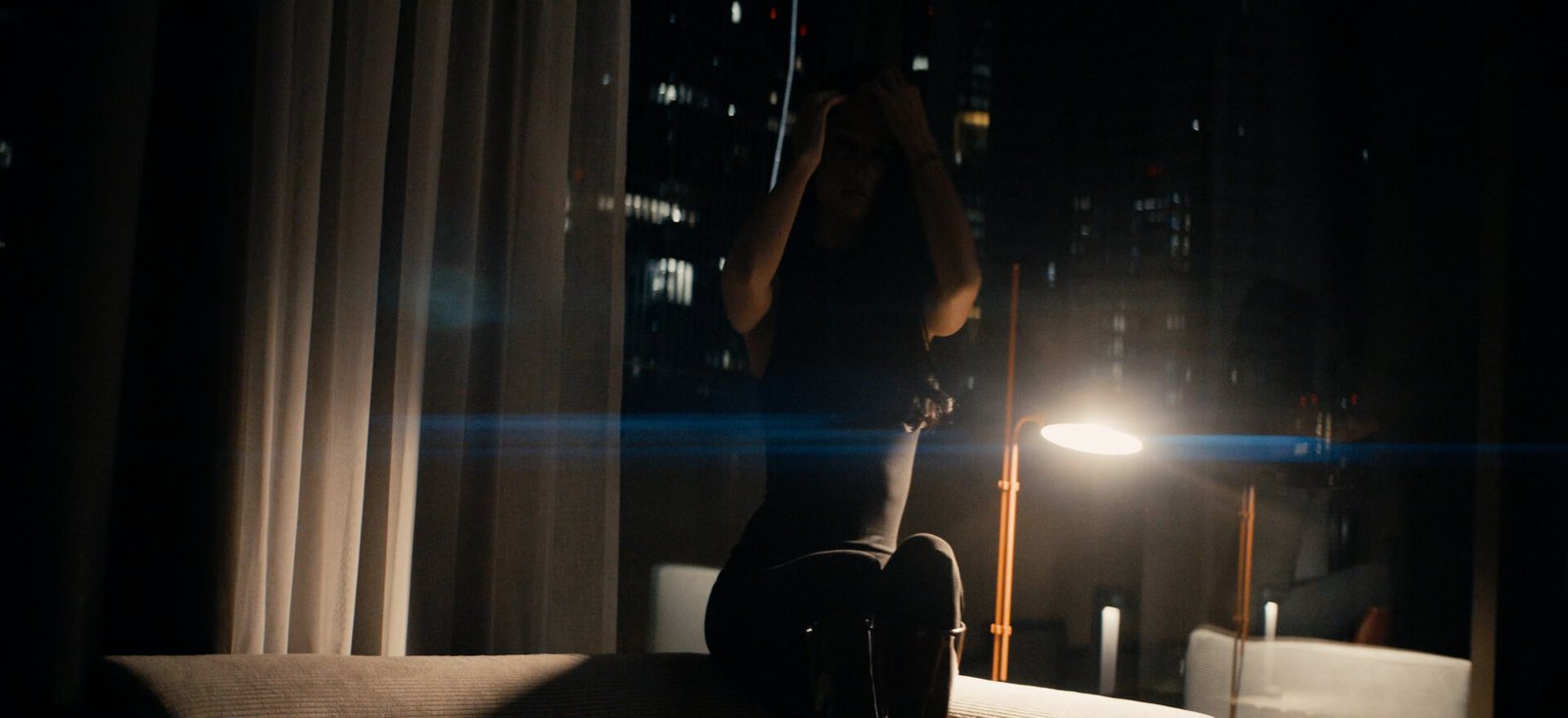
At the start of the video, Roger Deakins says he likes lonely people in big spaces. Another cinematographer would probably do something completely different in the same place. None of it is wrong. It just feels right to one person and not to the other.
Why AI can't replace that
That's also why I don't think AI can replace it. Sure, AI can make images that look good. But it hasn't lived through anything. When you want to frame a shot exactly that way, there are things behind it that you often can't explain yourself.
Deakins tells a story about this in the video that I really like. Someone from an AI company once said you could build a Deakins algorithm. He just wondered how that's supposed to work when he doesn't know what he's doing himself. He simply reacts to whatever is happening in front of him.
I'm still fine with using AI as a tool. Deakins once said something along those lines: he doesn't care what you use, as long as you have something to say. It's just that what you have to say has to come from you.
Just start
There's so much you can do in this field. Music videos, commercials, VFX, editing. The nice thing is that you get to choose, and you also get to choose how you learn it. Whether you start with the rule of thirds or without it doesn't matter that much in the end.
What matters is that you start, keep going and love it. If you love something, you don't stop doing it.
I've noticed that about myself a lot. I've started so many things, and no matter what I did, I always ended up back at filming. Every time.
Thanks to Seigher for the discussion and the video. If the topic interests you, go watch it.
If you want to know how a song turns into a video concept for me, I wrote about that too. And if you're looking for someone for your video, just write me.