
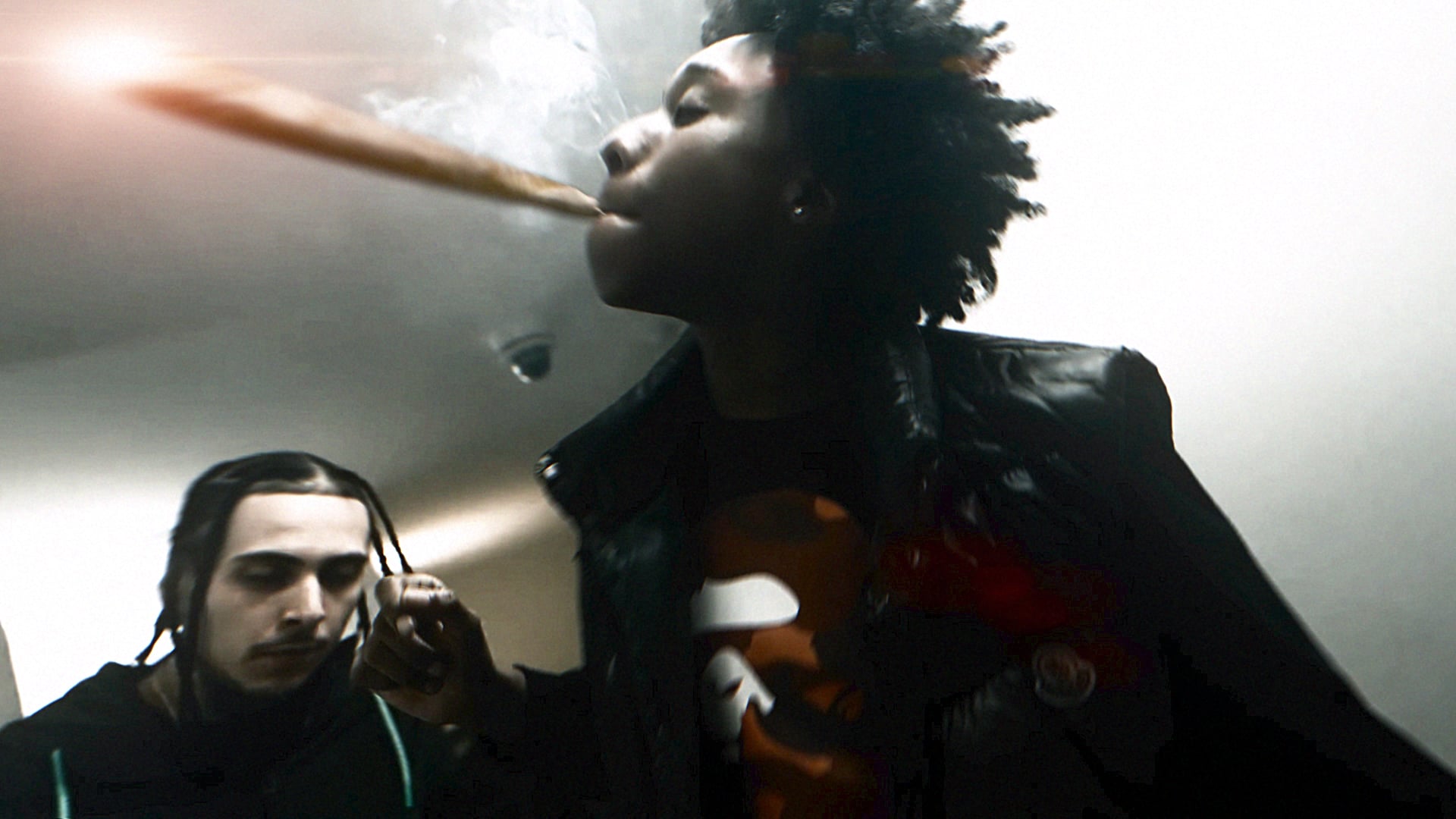
When an artist sends me a reference video, it's almost always about the look. Those colors, those blacks, that feeling. And the question that follows is usually: can you get that in the grade?
The honest answer: partly. Color grading does a lot, and without it a music video rarely looks finished. But half of the look you see in that reference was made on set.
What color grading actually is
Color grading is the work on color, brightness and contrast once the edit is locked. Before that comes color correction. That makes sure the footage is clean: correct exposure, neutral whites, and shots from the same scene look the same even if they were filmed two hours apart.
Only then does the actual grading start. That's where you decide how warm the skin is, how deep the blacks go, whether the shadows lean blue or green, how hard the contrast hits. That's the part people see as the look.
For me, color always comes after the edit, never before. Otherwise you're grading footage that won't even be in the video.
Why grading matters so much in music videos
A music video is often shot in several places, sometimes on different cameras, in sunlight and at night. Without grading, that looks like five different videos back to back. Grading turns it into one.
Then there's mood. A dark drill track and a summer song need completely different colors, even if they were filmed in the same spot. The image above lives almost entirely on contrast: smoke, hard backlight, warm highlights, deep shadows. Without the grade it would be a flat grey shot in a hallway.
90s, 2000s and other looks
A lot of the references I get come from a specific era. The 90s often feel softer, with grain, slightly washed-out colors and highlights that bloom a little. The 2000s are harder: lots of contrast, rich skin tones, cool shadows, sometimes almost desaturated.
You can rebuild a look like that in the grade, but not on its own. Soft light, the right lens, a bit of haze in the air, that has to be there on the day. So when the look is clear, I plan for it from the start. What that means for a black and white look is covered in the post on the black and white music video.
What grading can't do
Grading can match, push and guide. It can't invent light. If a face disappears into shadow on set, I can brighten it, but noise comes with it. If the sky is completely white, there's no color left to bring back.
That's why it pays to shoot in a flat profile that keeps as much information as possible, and to set the light so there's room to work in the grade. The look comes from both together. More on why videos can still look cheap after grading in why music videos look cheap.
Which software?
People ask this a lot, but it matters less than you'd think. DaVinci Resolve is the standard for grading, and Premiere or other editors can do a fair amount too. The difference is the eye and the footage, not the program. A good look in a simple tool beats a bad look in the most expensive software.
How much time grading takes within the whole production is covered in how long it takes to make a music video. If you've got a reference and want to know whether that look works for your video, send it over. I'll tell you which part has to happen on set and which part in the grade.