
Black and white looks like a shortcut to a video that feels like art. Take the color out, add some grain, done. Sometimes that's even true. More often, the result just looks grey and nobody can say why.
The reason is simple: without color, all that's left is light. A black and white music video lives entirely on where it's bright and where it's dark. If that wasn't planned on set, the grade can only do so much afterwards.
Why black and white can work so well
Color is distracting. A green sign in the background, a red jacket that doesn't fit, three locations with completely different light. In color you have to match all of that. In black and white most of it disappears, and what's left is the face, the posture, the movement.
Then there's the sense of time. A lot of people connect black and white with videos from the 90s and early 2000s, with rap videos that felt raw and direct. If your song sits in that world, you can use that.
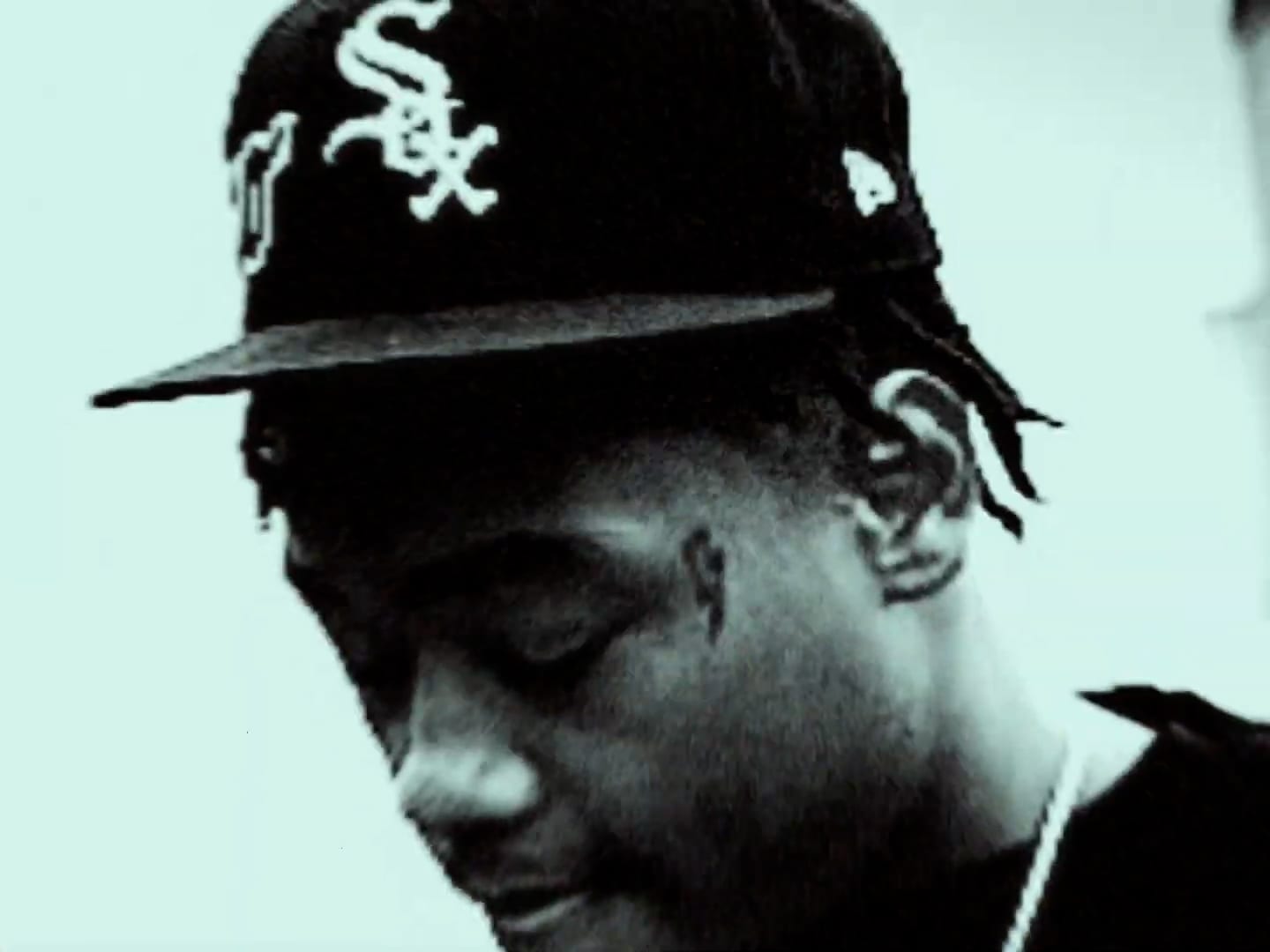
The image above is from "Take A Ride" by K4 Tana, where I worked as co-editor. It's not pure black and white. It's a slightly cool, monochrome look with heavy grain. Those in-between looks are often what separates a styled video from one that was just desaturated.
When the look is just hiding things
The most common mistake: black and white as a rescue. The footage doesn't look good in color, so the color comes out. The problem is usually still there afterwards. Flat light without contrast becomes grey mush. A face without shadows loses its shape.
The second mistake is a song that lives on color. A summer track, a party song, anything that wants to feel warm and loud. Black and white takes out energy you actually need. The look has to fit the song, not the moodboard.
What changes on set
When I know a video is going black and white, I light it differently. Harder light, more shadow, clear separation between the person and the background. A dark jacket in front of a dark wall disappears completely in black and white. In color you'd still have seen the difference.
I check outfits beforehand too. Red and green can end up as almost the same shade of grey. Something that looks bold on set can turn into one flat area in the final image. Patterns, shine, metal and reflections almost always work, because they play with brightness.
It still gets shot in color. Every time. The black and white happens in the grade.
What happens in the grade
In the grade I decide how bright each individual color becomes in black and white. Skin can get brighter without blowing out the sky. A red jacket can go almost black so the face in front of it pops. That only works because the footage was recorded in color.
Then comes the character: how deep the blacks go, how softly the highlights roll off, whether a slight tint stays in, how much grain the image can take. Clean, pure black and white feels elegant. A slightly tinted version with grain feels rawer and more analog. Both are decisions, not filters.
And black and white doesn't have to cover the whole video. One part in black and white and the rest in color can hit harder than a fully monochrome video. The bridge, a flashback, the moment the song turns. How a break like that ends up in the concept is covered in how a music video concept comes together.
Black and white often makes a good video stronger and rarely makes a weak one better. The look starts with the light on set and gets finished in the grade. If the footage isn't right, the problem is usually somewhere else, more on that in why music videos look cheap.
If you've got a song that sounds black and white, let's talk. I'll tell you honestly whether the look holds up or whether color is the better call.